
Rochester University becomes US Laser Innovation Hub
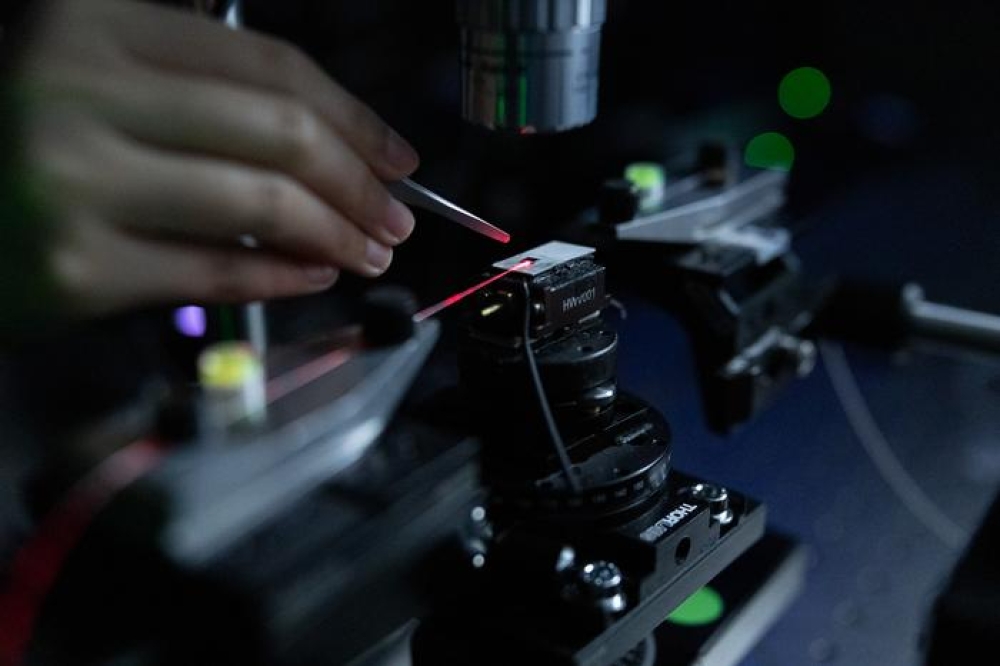
The United States National Science Foundation (NSF) has awarded $15m over the next two years to launch the NSF STELLAR Engine in the Rochester, Finger Lakes, and Southern Tier regions of New York, USA.
Led by the University of Rochester, this initiative is matched by $16m in New York State support over the next six years, with the aim of establishing an internationally competitive technology and innovation cluster focused on laser technologies, workforce development, and domestic manufacturing.
The hub will combine US federal funding, state support, and private sector collaboration, to translate laser science into mature commercial applications. This includes developing new manufacturing pipelines to package lasers domestically, expanding specialised technician training programs at the community college level, and funding early-stage startups working on next-generation laser applications like quantum technology and advanced medical devices.
“The NSF STELLAR Engine will strengthen US competitiveness in global markets by advancing lasers and laser application research for manufacturing, defence, communication and healthcare,” said Brian Stone, performing the duties of the NSF director.
The Rochester region houses more than 150 optics, photonics, imaging, and laser companies. The STELLAR Engine brings together a coalition of local institutions including the University of Rochester, Rochester Institute of Technology (RIT), Monroe Community College (MCC), NextCorps and Luminate Accelerator. These are backed by commercial firms in optics and defence, including L3Harris, Corning, Optimax Systems, TOPTICA Photonics, and AIM Photonics.