
Space Forge to use Texas A&M University System
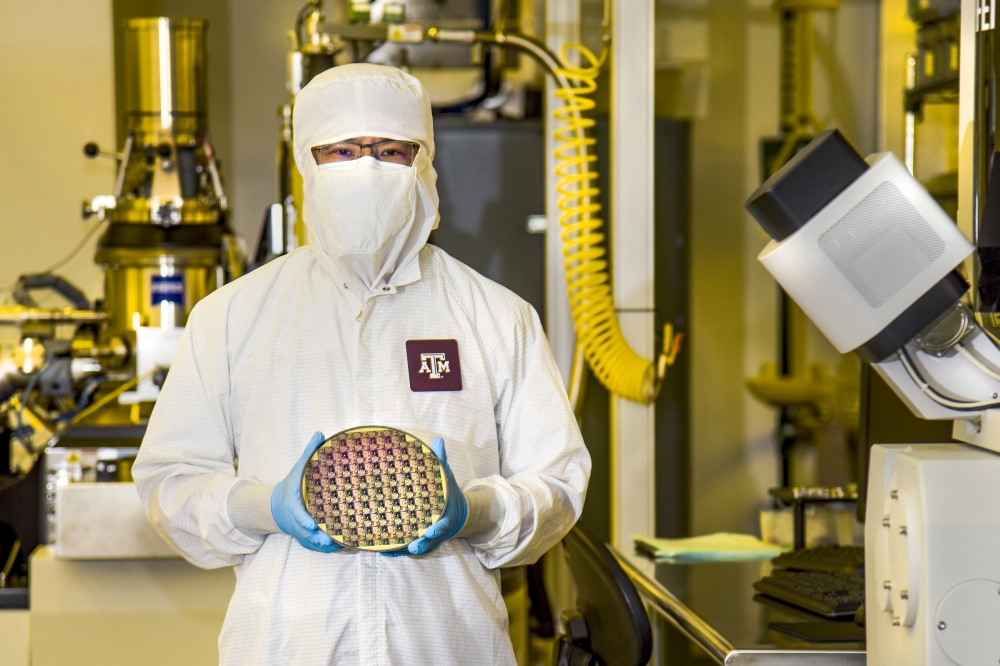
Space Forge Inc, the US subsidiary of the UK company using space to produce semiconductor materials, has signed an agreement with The Texas A&M University System, for a research collaboration.
It marks a first step towards Space Forge establishing its initial semiconductor materials manufacturing and processing capability in the US.
The Texas A&M System was selected for the strength of its existing semiconductor facilities and infrastructure, including cleanrooms, material processing and characterisation capabilities, alongside aligned research, access to a skilled local workforce and the major semiconductor projects planned across the region.
Space Forge will work closely with the Texas A&M Semiconductor Institute as well as the AggieFab Nanofabrication Facility. AggieFab is a part of the Texas A&M Engineering Experiment Station and the Texas A&M University Department of Electrical and Computer Engineering.
Texas already has an established semiconductor and space ecosystem, with many of Space Forge's current collaborators based in the state, including Intuitive Machines, Voyager and Starlab.
Steve Putna, director, Texas A&M Semiconductor Institute, and associate vice chancellor for the Texas A&M System said: "Space Forge's leadership in developing high-quality substrates for advanced materials and semiconductor applications aligns perfectly with our institute’s mission to drive disruptive, next-generation research."
Arum Han, director, AggieFab and associate agency director for the Texas A&M Engineering Experiment Station said: "Our cleanroom environment, along with our advanced fabrication, characterisation and material processing tools, gives Space Forge a powerful foundation to develop and refine the next generation of semiconductor substrates right here in Texas."
Michelle Flemming, president, Space Forge Inc., said: "This agreement is an important first step in establishing our manufacturing presence in the United States. The Texas A&M System gives us the infrastructure, the research strength and the talent to stand up our first US facility for semiconductor materials, and to do it in a state that has demonstrated with funding, how serious it is about both advancing semiconductors and space."
The collaboration supports Space Forge's broader goal of building US capacity in advanced semiconductor materials and speaks to a national priority, with US domestic semiconductor manufacturing capacity projected to grow 203 percent in the decade following the 2022 CHIPS and Science Act, according to the Semiconductor Industry Association and Boston Consulting Group.
The collaboration will begin with terrestrial material growth, characterisation and processing, before expanding over the next 12 to 24 months to include joint research opportunities across the Texas A&M System.