NASA demos SiC circuits for Venus missions

A team of scientists at NASA's Glenn Research Center in Cleveland, US, Â have completed a technology demonstration that could enable new scientific missions to the surface of Venus. The team demonstrated the first prolonged operation of electronics in the harsh conditions found on Venus using SiC chips.
"With further technology development, such electronics could drastically improve Venus lander designs and mission concepts, enabling the first long-duration missions to the surface of Venus," said Phil Neudeck, lead electronics engineer for this work.
Current Venus landers can only operate on the planet's surface for a few hours due to the extreme atmospheric conditions. The surface temperature on Venus is around 460degC, which is hotter than most ovens, and the planet has a high-pressure CO2 atmosphere. Because commercial electronics don't work in this environment, the electronics on past Venus landers have been protected by thermal and pressure-resistant vessels. These vessels only last a few hours, and they add substantial mass and expense to a mission.

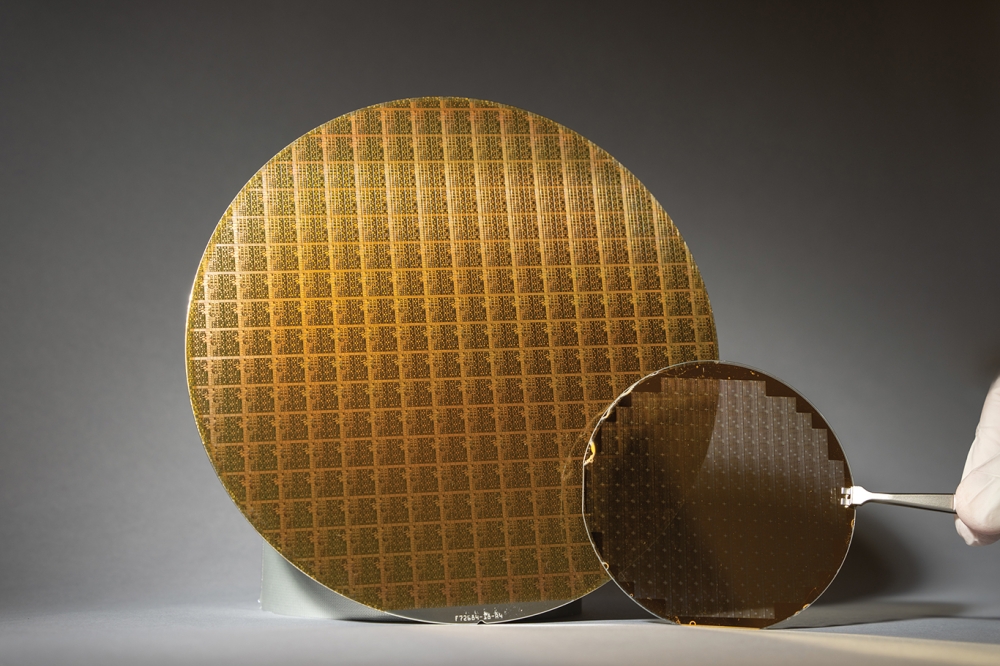
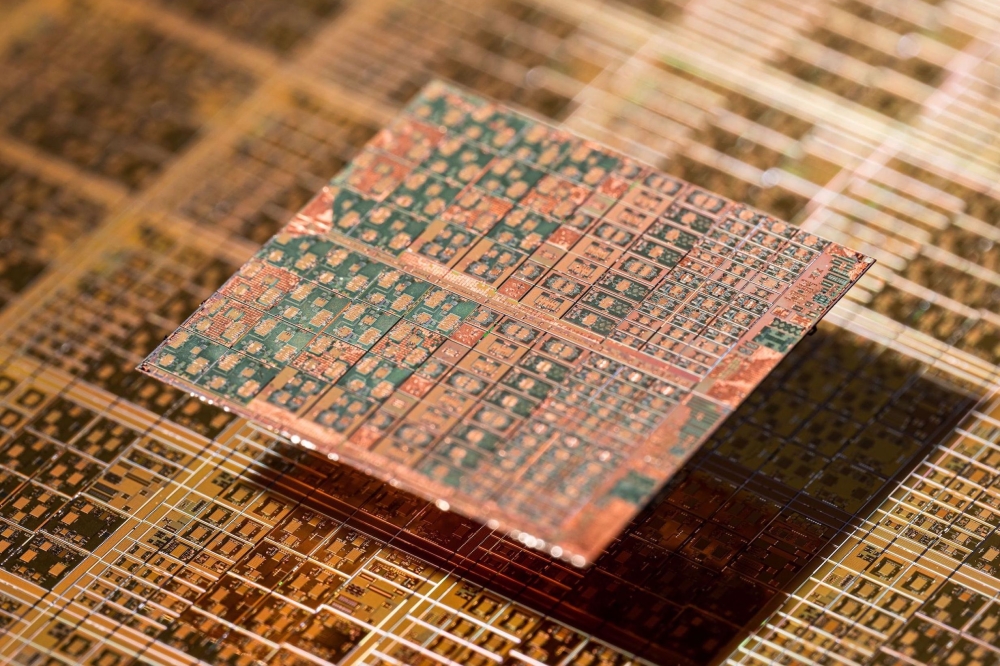
Integrated circuit before (above) and after (below) testing in Venus atmospheric conditions.
To overcome these challenges, the Glenn team developed and built extremely durable SiC semiconductor integrated circuits. They then electrically tested two of these chips in the Glenn Extreme Environments Rig (GEER), which can precisely simulate the conditions expected on Venus' surface.Â
The circuits withstood the Venus surface temperature and atmospheric conditions for 521 hours  -  operating more than 100 times longer than previously demonstrated Venus mission electronics.
"We demonstrated vastly longer electrical operation with chips directly exposed - no cooling and no protective chip packaging - to a high-fidelity physical and chemical reproduction of Venus' surface atmosphere," Neudeck said. "And both integrated circuits still worked after the end of the test."
Earlier this year, the team demonstrated nearly identical SiC integrated circuits for more than 1,000 hours at 482 degC in Earth-atmosphere oven testing. The integrated circuits were originally designed to operate in hot regions of fuel-efficient aircraft engines.
"This work not only enables the potential for new science in extended Venus surface and other planetary exploration, but it also has potentially significant impact for a range of Earth relevant applications, such as in aircraft engines to enable new capabilities, improve operations, and reduce emissions," said Gary Hunter, principle investigator for Venus surface electronics development.
Results of the test are detailed in "˜Prolonged silicon carbide integrated circuit operation in Venus surface atmospheric conditions,' which was published in AIP Advances.