
Q-Pixel launches Q-Transfer technology enabling microLED transfer
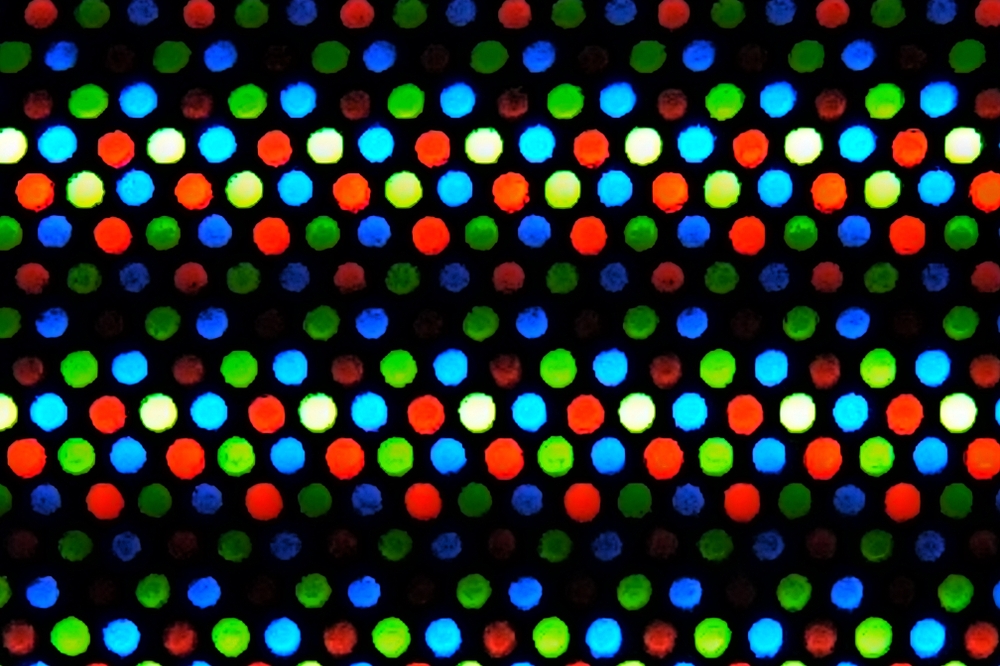
Q-Pixel debute Q-Transfer technology that enables high yield (>99.9995%) microLED transfer
MicroLED display startup Q-Pixel Inc. has debuted Q Transfer, a microLED display technology which directly addresses the pixel transfer challenge long faced by the microLED display industry. The low yield of conventional mass transfer processes (<99.99%) leads to prohibitively high repair and manufacturing costs and remains a major barrier for scaling microLED displays towards mass production. As a result, only limited high-end microLED products are available in the market. Q-Transfer radically improves microLED transfer yield while maintaining high resolution and superb alignment accuracy, thus enabling the production of large-area high quality microLED displays, such as wearables, mobile devices, and transparent displays, at affordable prices.
Q-Transfer was implemented by a patented process using Q-Pixel’s tunable polychromaticmicroLEDs (TP-microLEDs) to successfully demonstrate color display prototypes. These displays consist of 10 μm pixels with over 500 pixel per inch (PPI) densities, and most notably, zero missing pixels in the transfer process for > 99.9995% transfer yield—over an order of magnitude improvement over existing transfer approaches.
The debut of Q-Transfer marks a new breakthrough in Q-Pixel’s microLED display technology portfolio. Q-Pixel’s achievements in microLED technology include world records for highest resolution color active-matrix display (6800 PPI), highest resolution full color display (10000 PPI), and world’s smallest full color pixel (1 μm) diameter based on their tunable polychromatic LED (TP-LED) epitaxial material.

Prototype panel demonstration of Q-pixel’s proprietary microLED transfer process (Q-Transfer) using 10 μm tunable polychromatic LED (TP-LED) pixels, yielding > 500 PPI displays with zero missing pixels (>99.9995% yield)