Loading...
News Article

Seoul Semiconductor to mass-produce chip scale packaged LEDs

Patented Wicop technology is designed to directly connect the chip to PCB 

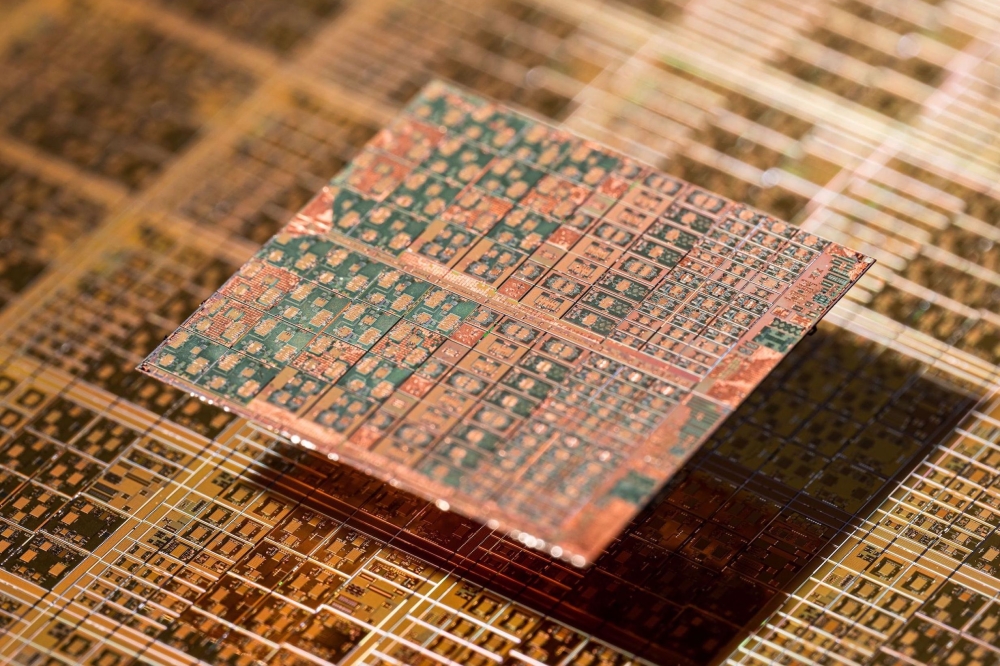
Seoul Semiconductor has announced that it is mass producing LEDs in a new kind of chip scale packaging (CSP) which does not need processes such as die bonding, wire bonding or component parts such as lead frames, gold wire and so on.

According to the company, its patented Wicop (Wafer Level Integrated Chip on PCB) package is designed to directly connect the LED chip to the PCB with no intermediate substrate.  In effect, the package and chip are the same size. 

Generally, when the size of a chip package does not exceed more than 1.2 times the chip, it is classified as CSP, a technology  first applied to LEDs in 2012. However, at that  time because products using such technology need die bonding equipment, intermediate substrates or ceramic or silicon material to attach the chip to the PCB, it was difficult to see the technology as a complete CSP. 

Seoul Semiconductor says it has been supplying Wicop-packaged products to major customers since 2013  for use in LCD backlighting, camera flashlights and also in vehicle head lamps. Now the company plans to target the LED lighting-source market in lights, vehicles, and IT parts currently estimated to be  $20B with the Wicop concept.

Kibum Nam head Seoul Semiconductor's Central Research Center said: "Through the development of Wicop which is an innovative small sized, highly efficient LED technology, the effective value of packaging equipment which was once essential in semiconductor assembly process will noticeably decrease. As all of the parts which had been used for more than 20 years will not be necessary any more, there will be a huge change in the future LED industry".

He added: "Seoul Semiconductor already has acquired hundreds of global patent portfolio regarding Wicop and takes a close look at how other manufacturers would develop the similar products using the similar technology".
New efficiency record for CIGS perovskite tandem cells
Realising tuneable InGaN laser diodes
SiC patenting strong in Q4 2024, says KnowMade
Say hello to the heterogeneous revolution
Double heterostructure HEMTs for handsets
AlixLabs to collaborate with Linköping University
Multiple materials vie for RF success
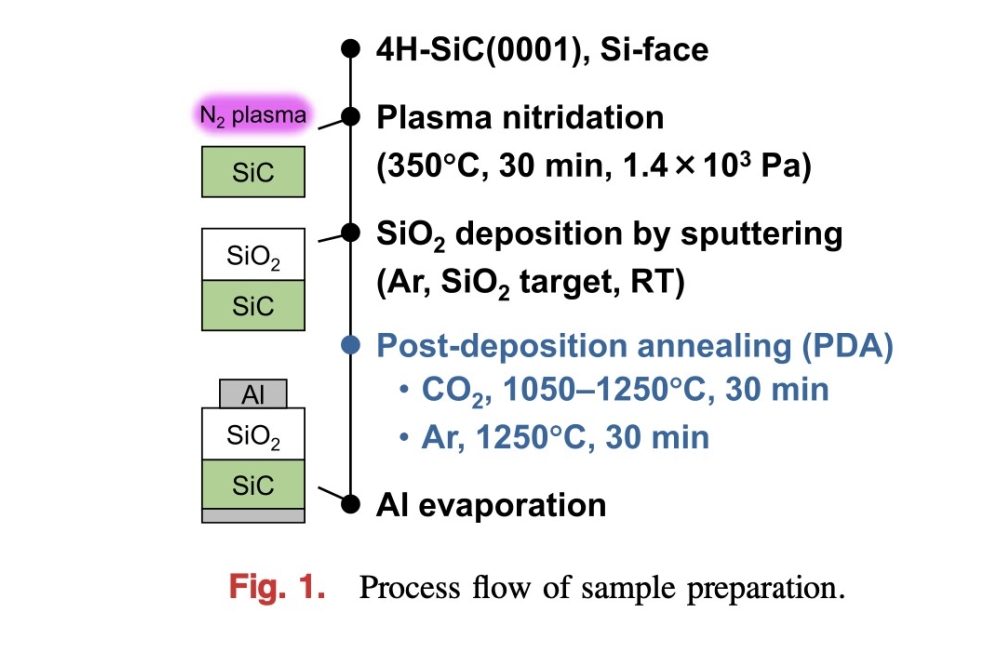
SiC MOSFETs: Understanding the benefits of plasma nitridation
Wolfspeed reports Q2 results
VueReal secures $40.5m to scale MicroSolid printing
Mitsubishi joins Horizon Europe's FLAGCHIP project
Vishay launches new high voltage SiC diodes
UK team leads diamond-FET breakthrough
GaN adoption at tipping point, says Infineon
BluGlass files tuneable GaN laser patents
QD company Quantum Science expands into new facility
Innoscience files lawsuit against Infineon
Riber revenues up 5% to €41.2m
Forvia Hella to use CoolSiC for next generation charging
Photon Design to exhibit QD simulation tool
Ortel transfers CW laser fabrication to Canada
Luminus adds red and blue multi-mode Lasers
PseudolithIC raises $6M for heterogeneous chiplet tech
Mesa sidewall design improves HV DUV LEDs
IQE revenue to exceed expectations
'Game-changing' VCSEL system targets clinical imaging
German start-up secures finance for SiC processing tech
Macom signs preliminaries for CHIPS Act funding
IQE and Quintessent partner on QD lasers for AI
EU funds perovskite tandems for fuel-free space propulsion
EU to invest €3m in GeSi quantum project
Transforming the current density of AlN Schottky barrier diodes
×
Search the news archive

To close this popup you can press escape or click the close icon.
Logo
x
Logo
×
Register - Step 1

You may choose to subscribe to the Compound Semiconductor Magazine, the Compound Semiconductor Newsletter, or both. You may also request additional information if required, before submitting your application.


Please subscribe me to:


You chose the industry type of "Other"

Please enter the industry that you work in: