Loading...
News Article

Raytheon shows US Army the future of missile defence

News
GaN powered Active Electronically Scanned Array technology to be basis of LTAMDS

Raytheon has given the US Army a look into the future of missile defence technology, as the company provided its comprehensive vision for the next generation of air and missile defence radar. The information was supplied to the Army as part of its process to define the requirements for a future Lower Tier Air and Missile Defence Sensor (LTAMDS).

"Raytheon's solution for the LTAMDS is based on the more than $200 million that the company has invested in GaN powered Active Electronically Scanned Array technology," said Ralph Acaba, vice president of Integrated Air and Missile Defence at Raytheon's Integrated Defence Systems business.

"Raytheon showed it can quickly and affordably design, build, test and field a GaN-based AESA radar capable of defeating all threats when we exhibited a potential LTAMDS solution at the winter AUSA tradeshow this past March."

Raytheon's GaN-based AESA LTAMDS radar is designed to serve as a sensor on the Integrated Air and Missile Defence Battle Command System network.  It will be fully interoperable with NATO, and also retains backwards compatibility with both the current Patriot system and any future system upgrades fielded by any of the 13-nations that currently own Patriot.

"Others may draw on lesson learned from the terminated MEADS air and missile defense project or repeatedly re-baselined naval radars; Raytheon's LTAMDS solution builds on successful programs such as the US Navy's Next Generation Jammer and the Air and Missile Defence Radar," said Doug Burgess, director of Integrated Air and Missile defense AESA programs. 

"Our response, and our AESA GaN radar rollout at AUSA show there doesn't need to be a wait of a decade or longer to get the sensor of the future. It will be available much, much sooner."
Say hello to the heterogeneous revolution
Double heterostructure HEMTs for handsets
AlixLabs to collaborate with Linköping University
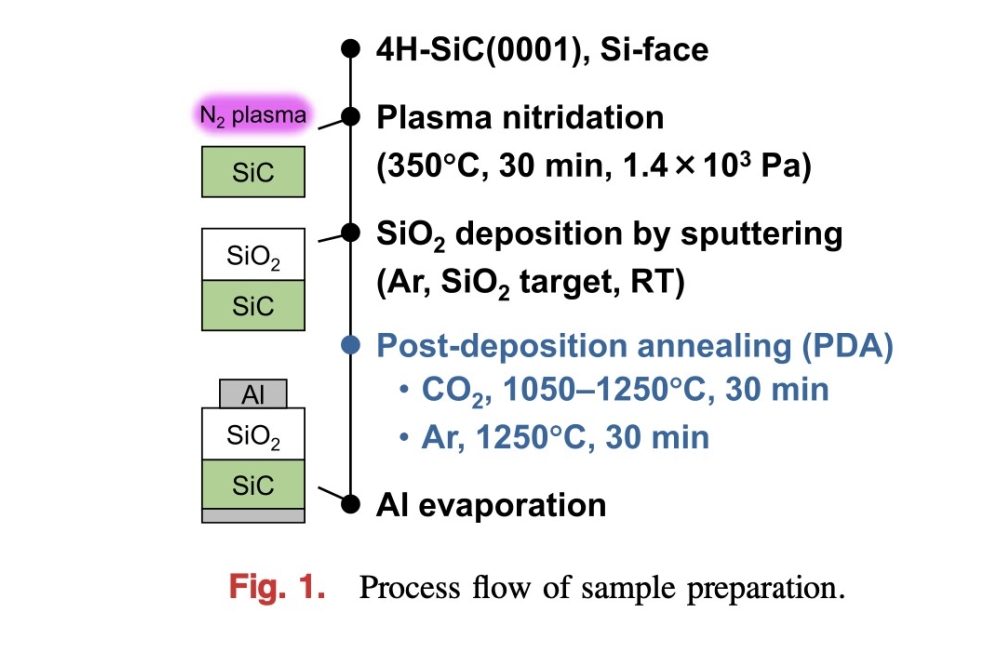
SiC MOSFETs: Understanding the benefits of plasma nitridation
Wolfspeed reports Q2 results
VueReal secures $40.5m to scale MicroSolid printing
Mitsubishi joins Horizon Europe's FLAGCHIP project
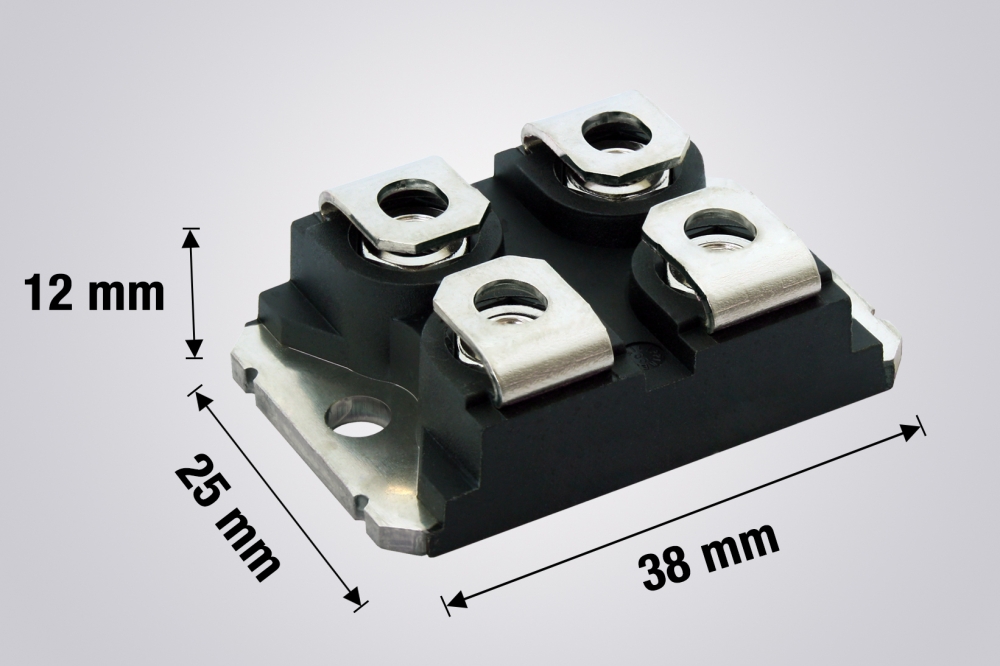
Vishay launches new high voltage SiC diodes
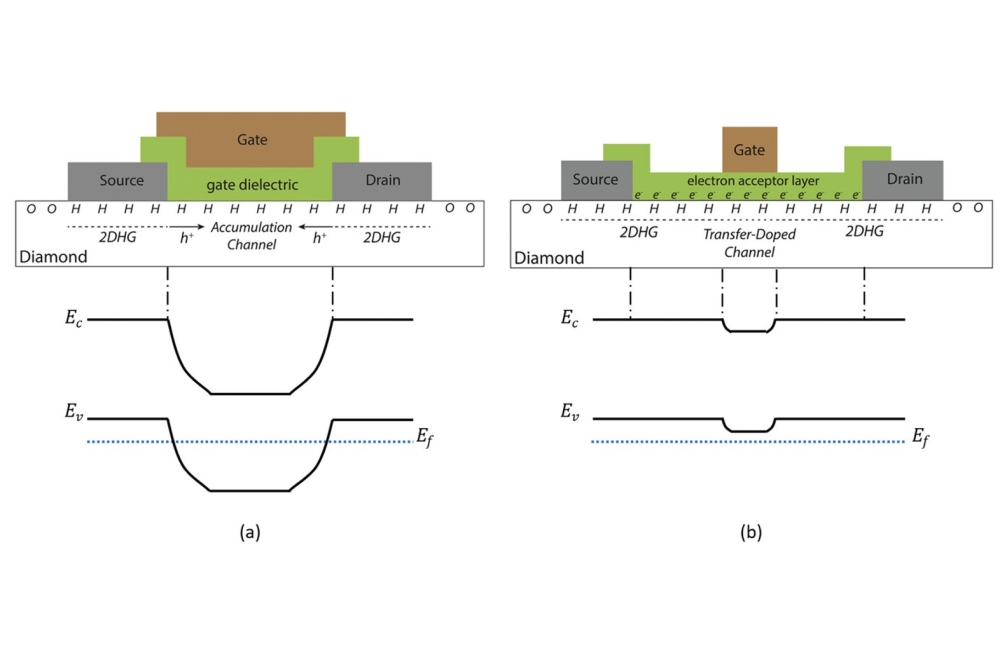
UK team leads diamond-FET breakthrough
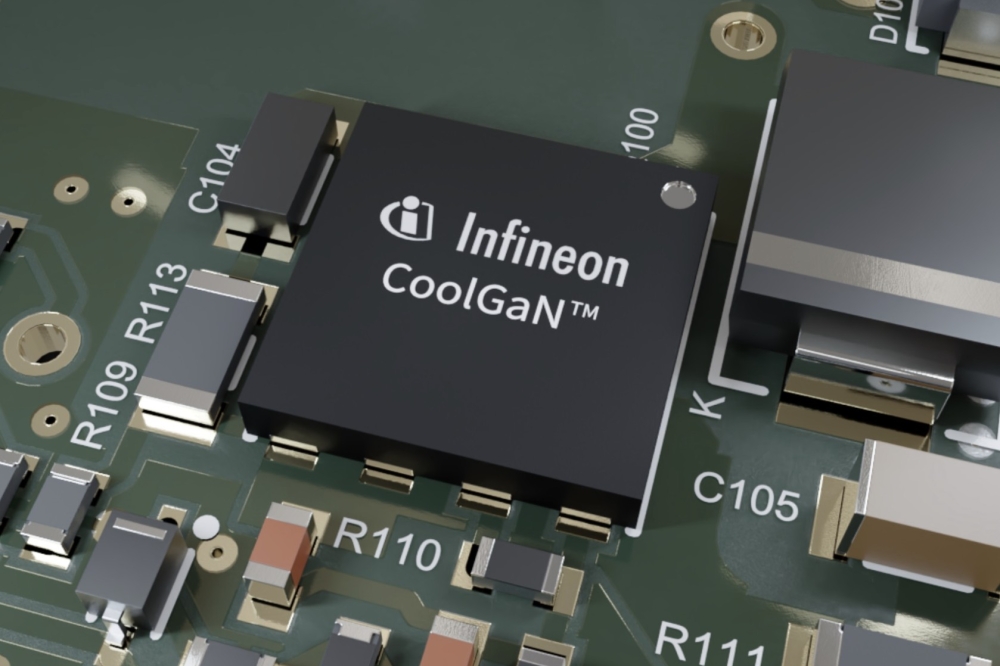
GaN adoption at tipping point, says Infineon
BluGlass files tuneable GaN laser patents
QD company Quantum Science expands into new facility
Innoscience files lawsuit against Infineon
Riber revenues up 5% to €41.2m
Forvia Hella to use CoolSiC for next generation charging
Photon Design to exhibit QD simulation tool
Ortel transfers CW laser fabrication to Canada
Luminus adds red and blue multi-mode Lasers
PseudolithIC raises $6M for heterogeneous chiplet tech
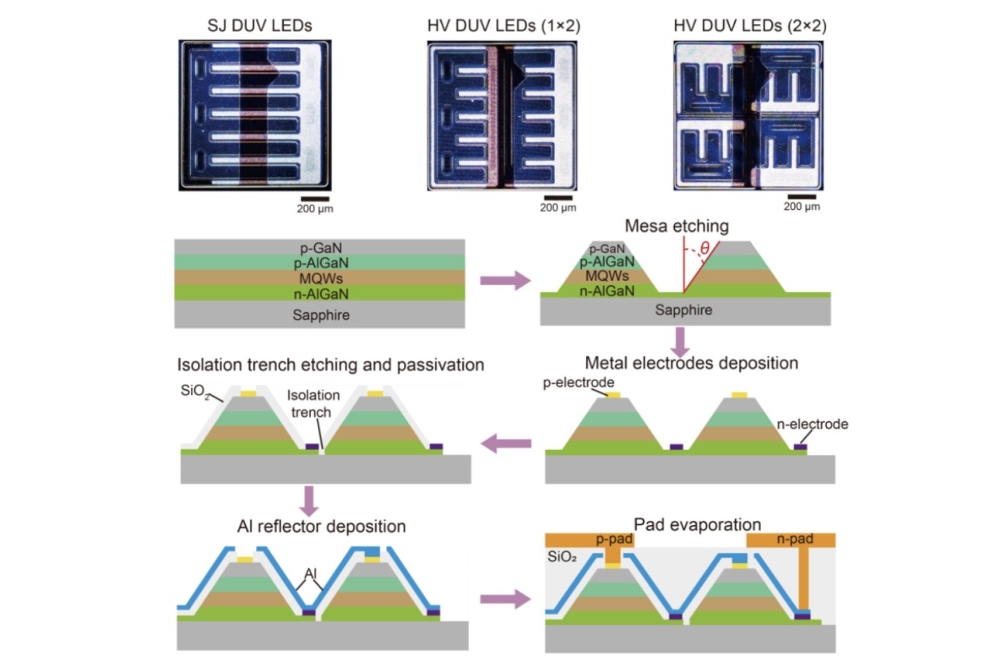
Mesa sidewall design improves HV DUV LEDs
IQE revenue to exceed expectations
'Game-changing' VCSEL system targets clinical imaging
German start-up secures finance for SiC processing tech
Macom signs preliminaries for CHIPS Act funding
IQE and Quintessent partner on QD lasers for AI
EU funds perovskite tandems for fuel-free space propulsion
EU to invest €3m in GeSi quantum project
Transforming the current density of AlN Schottky barrier diodes
Turbocharging the GaN MOSFET with a HfO₂ gate
Wolfspeed launches Gen 4 SiC MOSFET technology
Report predicts high growth for UK's North East
Element Six unveils Cu-diamond composite
×
Search the news archive

To close this popup you can press escape or click the close icon.
Logo
x
Logo
×
Register - Step 1

You may choose to subscribe to the Compound Semiconductor Magazine, the Compound Semiconductor Newsletter, or both. You may also request additional information if required, before submitting your application.


Please subscribe me to:


You chose the industry type of "Other"

Please enter the industry that you work in: