Imec achieves record GaN breakdown voltage

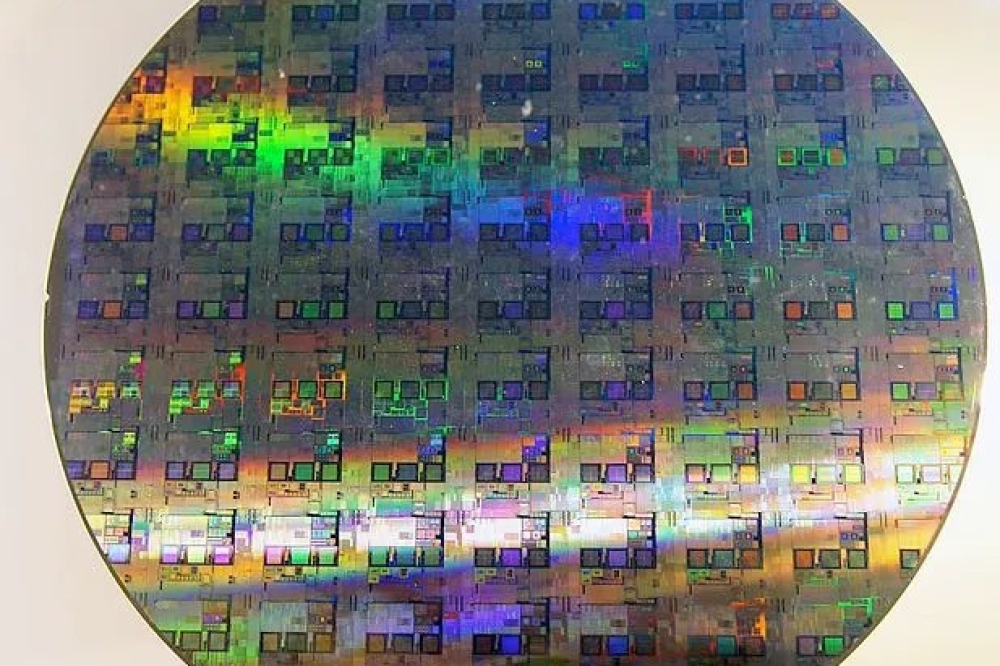
Belgian research hub Imec has achieved a record GaN breakdown voltage exceeding 650V using Shin-Etsu Chemical’s 300-mm QST substrate, which has been adopted for Imec's 300-mm GaN power device development program, launched in October 2025.
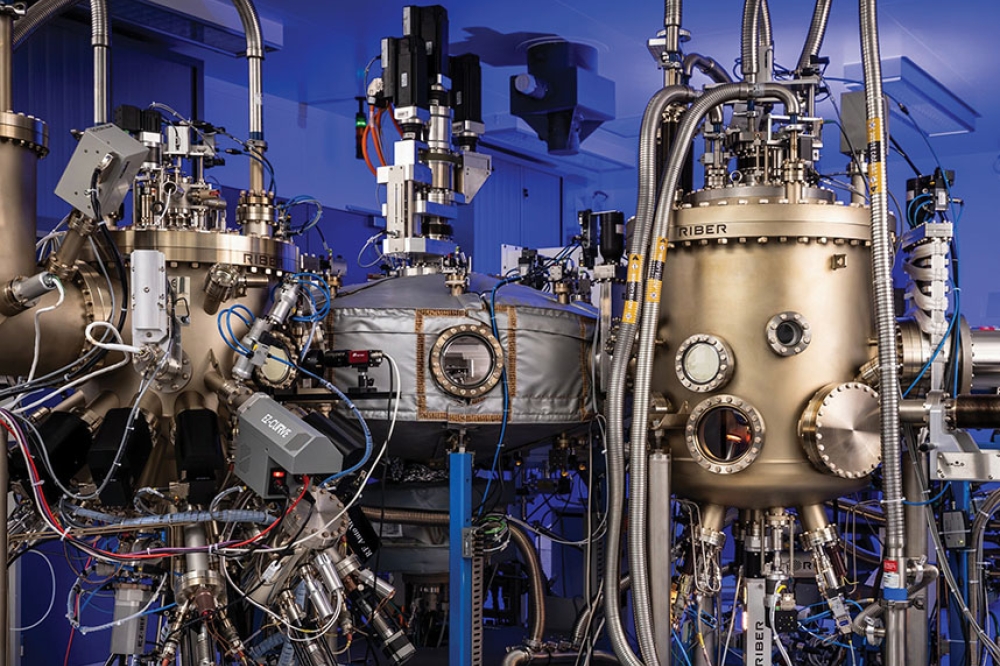
The initial results showed that Imec has successfully fabricated a 5µm-thick high-voltage GaN HEMT, using Aixtron's Hyperion MOCVD equipment, with a breakdown voltage of over 800V.
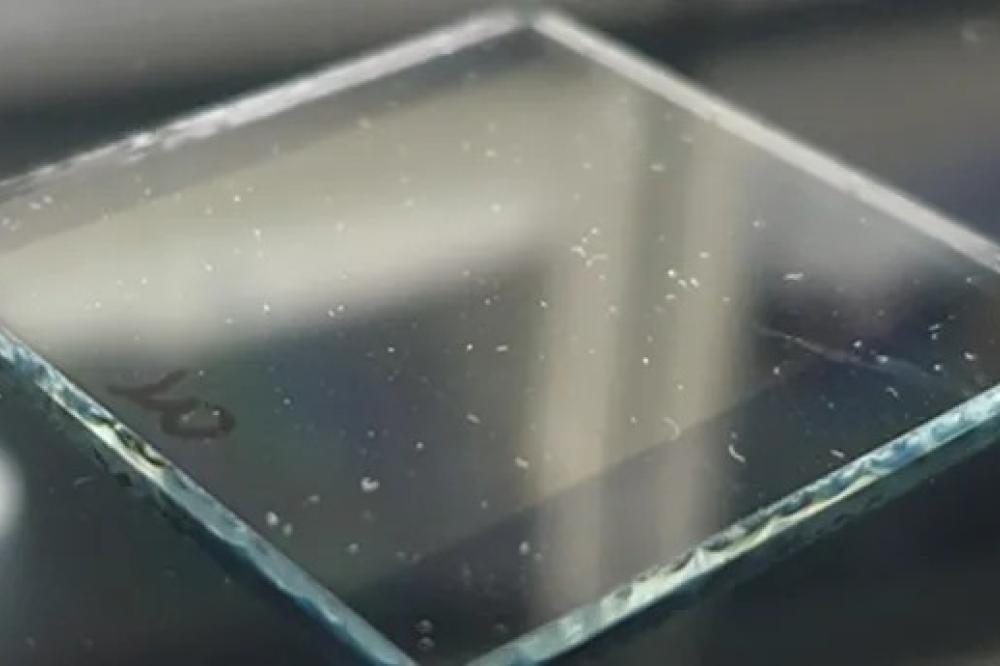
The results show that the QST substrate, whose thermal expansion coefficient is matched to GaN, can stably deliver excellent GaN crystal growth performance even at large diameters.
Shin-Etsu Chemical, licensed by US company QROMIS, manufactures 150-mm and 200-mm QST substrates, as well as GaN-on-QST epitaxial substrates of various diameters. In September 2024, it started providing 300-mm QST samples in a joint initiative with QROMIS. Shin-Etsu Chemical and QROMIS have also established a close partnership to provide 300-mm QST substrates for Imec 's 300-mm CMOS fab in Leuven, Belgium.
Because Imec's existing silicon wafer production line can be used for GaN, increasing the substrate diameter is expected to reduce production costs. However, GaN growth on silicon wafers suffers from increasingly poor production yields at larger diameters due to issues such as wafer warpage, preventing practical mass production.
The 300-mm QST substrate solves this issue by enabling the epitaxial growth of thick-film 300-mm GaN for high-voltage applications without warping or cracks—previously unattainable on silicon wafer substrates—thus significantly reducing device costs. To date, Shin-Etsu Chemical has been enhancing facilities for 150-mm and 200-mm QST substrates and is currently working toward the mass production of 300-mm QST substrates.
The QST substrates are currently being evaluated by many Japanese and international customers for applications such as power devices, high-frequency devices, and LED devices. They are currently in the development phase for practical applications to address the recently increasing interest in AI data centre power supplies.