
Northrop Grumman speeds-up radiation testing
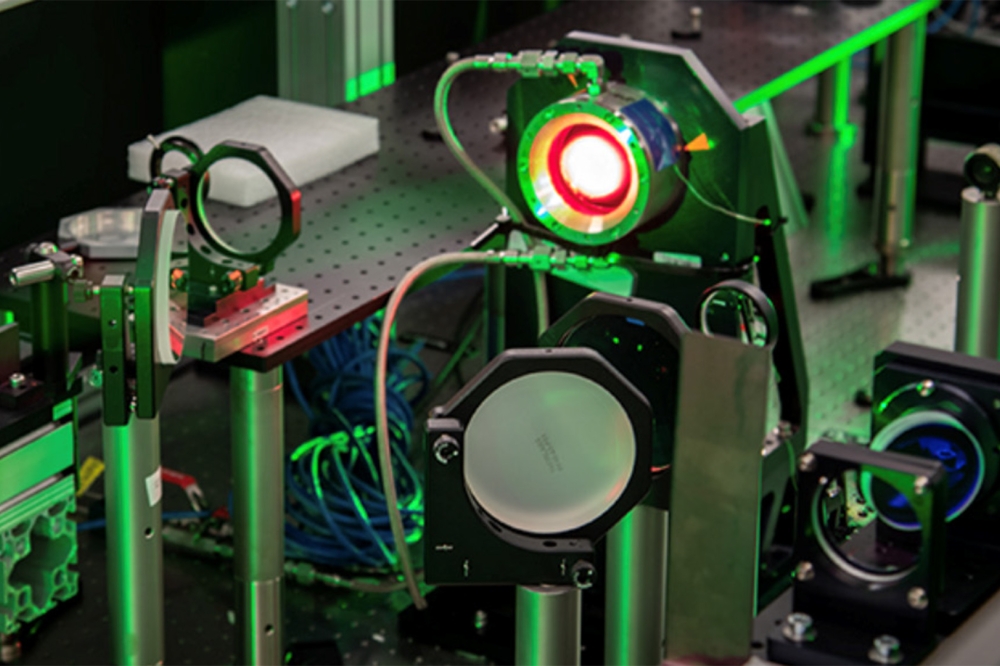
Northrop Grumman has demonstrated a secure testing environment for microelectronics used in radiation-prone areas, such as space and nuclear facilities, under DARPA’s Advanced Sources for Single-event Effects Radiation Testing (ASSERT) program. This innovation can drastically reduce wait times faced at national testing facilities from years to months.
Northrop Grumman is partnering with Vanderbilt University and the Lawrence Berkeley National Laboratory to use laser plasma accelerator (LPA) technology, which is a compact, high-energy electron beam source for testing. This allows tests on packaged or stacked devices, like 3D-heterogeneous microelectronics, which current laser testing and other surrogate sources cannot currently perform.
Microelectronics used in space and nuclear environments must be radiation-hardened to withstand extreme radiation levels and prevent performance malfunctions or damage. These systems must be rigorously tested to ensure they can function before entering the field. Since there are only four heavy-ion radiation testing facilities in the United States, testing can take years.
Northrop Grumman’s new technology drastically aims to reduce testing time enabling processes that produce a tenfold reduction in the time it takes to design, test and deploy microelectronics used in space and nuclear facilities. In addition, it make sit possible to test space-bound and nuclear microelectronics in a more compact and portable laboratory environment, which currently does not exist.
Another feature is the ability to simulate the same randomized radiation conditions that microelectronics experience in extreme environments, ensuring resiliency and operability when it matters most.
Jonathan Green, vice president and chief technology officer, Northrop Grumman Mission Systems said: “Northrop Grumman’s decades of engineering excellence applied to DARPA’s ASSERT program resulted in this industry-changing solution. Improving these testing capabilities will significantly reduce the lead time on these critical microelectronics, ensuring our customers are receiving the systems they need faster than ever.”