Loading...
News Article

€2.6m project addresses quantum computer scalability

News

GeQuantumBus consortium will overcome limitations using coupler quantum dots to control qubit-qubit interaction

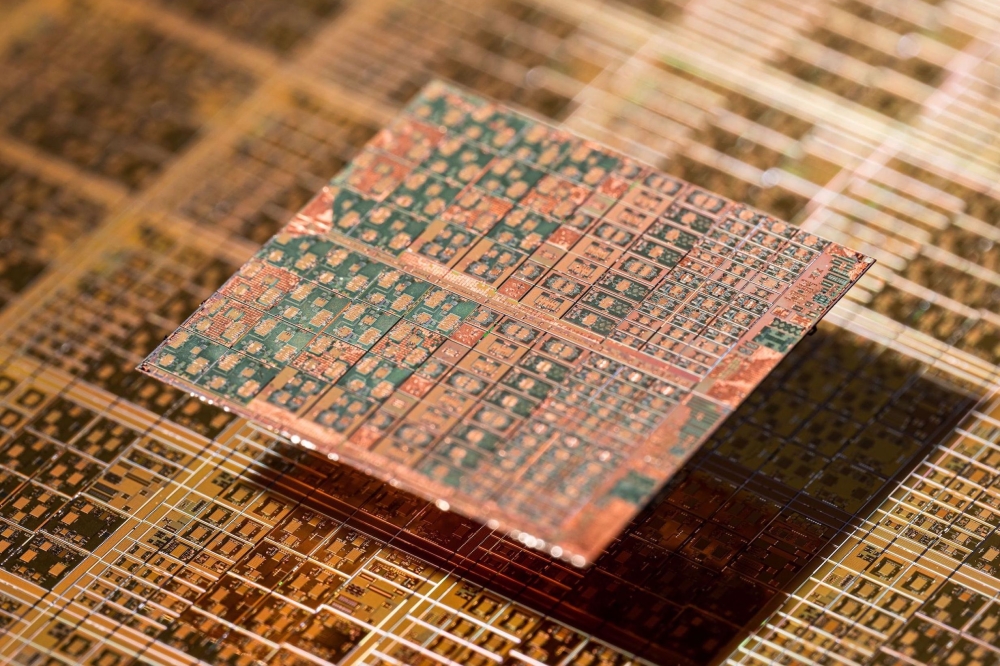
Tyndall National Institute's Quantum Electronic Devices (QED) Group (pictured above) has partnered with UK academics from the University of Warwick, University College London and University of Cambridge to solve one of the main challenges for scalability in architectures using germanium hole-spins on silicon as qubits.

In the GeQuantumBus project, the consortium will overcome limitations by using coupler quantum dots to control qubit-qubit interaction.

A quantum computer could operate algorithms that can solve problems which are unsolvable for a classical computer in a feasible time. Target applications of quantum computing include a large family of optimisation problems, which could be used in designing targeted drugs more efficiently for personalised medicine or improving logistics to protect natural resources and managing financial and personal risk. However, current qubit systems, while demonstrating the feasibility of quantum information processing, lack an apparent route to scalability.

Speaking about the project, Giorgos Fagas, fead of the Quantum Electronic Devices Group at Tyndall, said: “GeQuantumBus offers the ideal challenge to elaborate our significant research programme on new material platforms for qubit realisation. Our QED group will contribute with our expertise on processing and nanomaterials along with condensed matter theory and structural characterisation. The project allows us to collaborate with top-class leading experts to address a most challenging issue for semiconductor spin qubits.”

The project funding of €2.6m is from the UK Engineering and Physical Sciences Research Council (EPSRC) and Science Foundation Ireland (SFI) and is supported by a global MNC and a UK SME, and five other international collaborators.
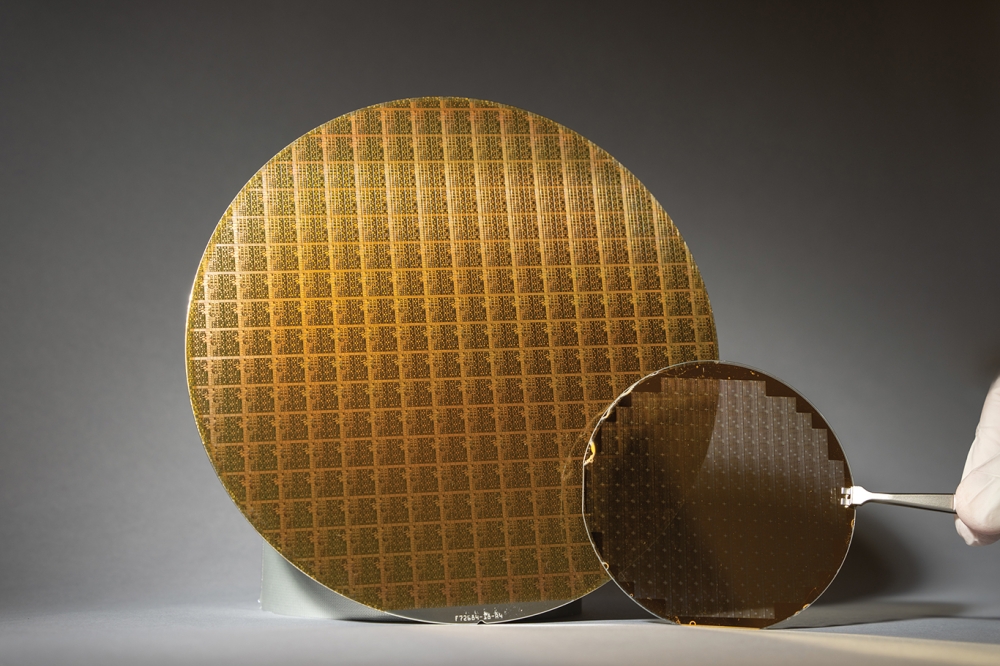
Say hello to the heterogeneous revolution
Double heterostructure HEMTs for handsets
AlixLabs to collaborate with Linköping University
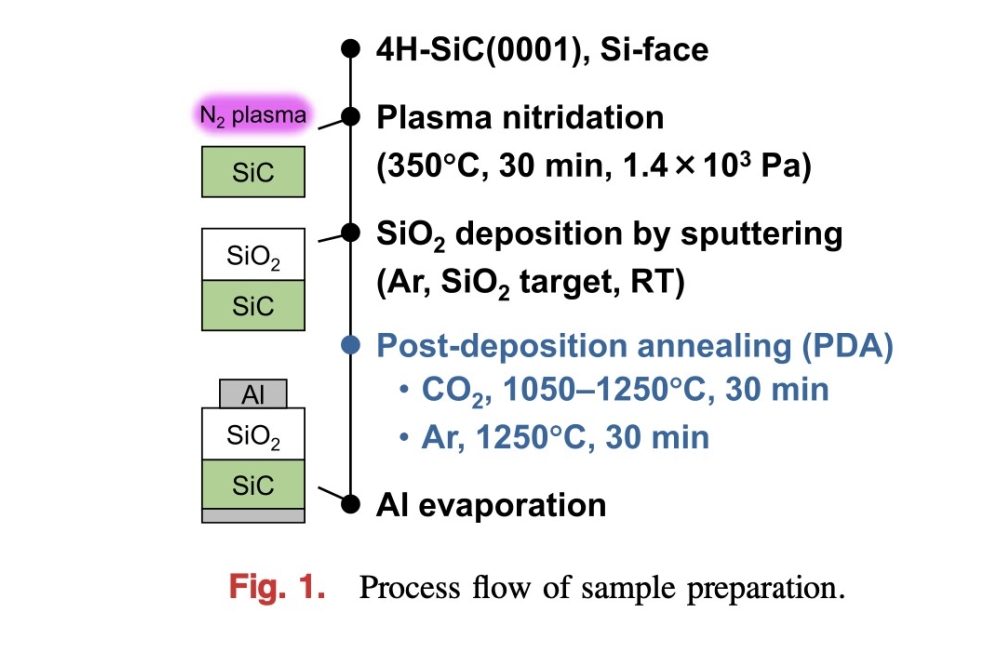
SiC MOSFETs: Understanding the benefits of plasma nitridation
Wolfspeed reports Q2 results
VueReal secures $40.5m to scale MicroSolid printing
Mitsubishi joins Horizon Europe's FLAGCHIP project
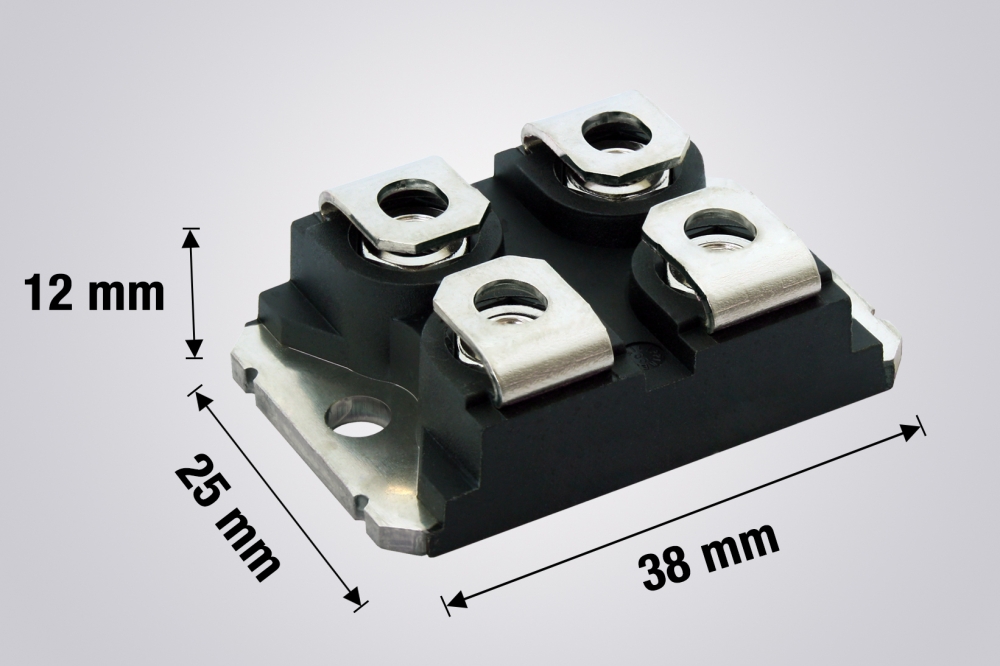
Vishay launches new high voltage SiC diodes
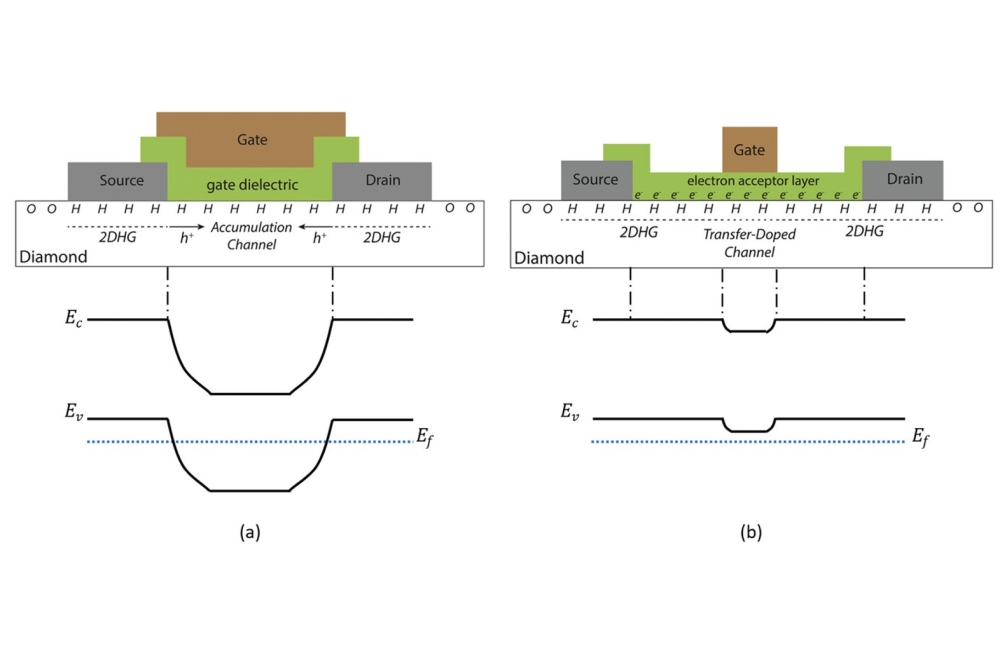
UK team leads diamond-FET breakthrough
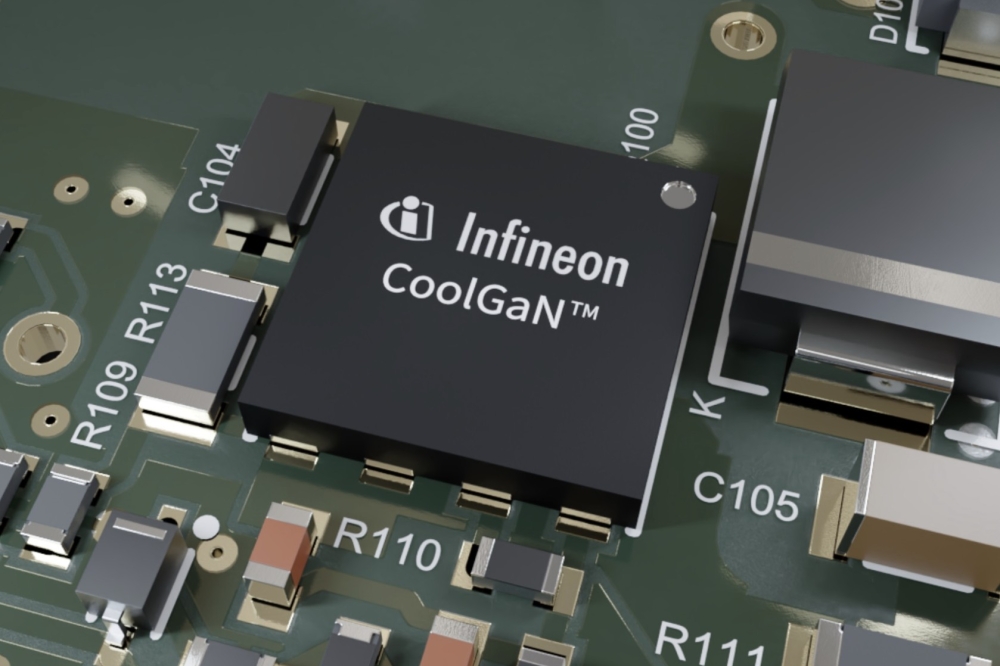
GaN adoption at tipping point, says Infineon
BluGlass files tuneable GaN laser patents
QD company Quantum Science expands into new facility
Innoscience files lawsuit against Infineon
Riber revenues up 5% to €41.2m
Forvia Hella to use CoolSiC for next generation charging
Photon Design to exhibit QD simulation tool
Ortel transfers CW laser fabrication to Canada
Luminus adds red and blue multi-mode Lasers
PseudolithIC raises $6M for heterogeneous chiplet tech
Mesa sidewall design improves HV DUV LEDs
IQE revenue to exceed expectations
'Game-changing' VCSEL system targets clinical imaging
German start-up secures finance for SiC processing tech
Macom signs preliminaries for CHIPS Act funding
IQE and Quintessent partner on QD lasers for AI
EU funds perovskite tandems for fuel-free space propulsion
EU to invest €3m in GeSi quantum project
Transforming the current density of AlN Schottky barrier diodes
Turbocharging the GaN MOSFET with a HfO₂ gate
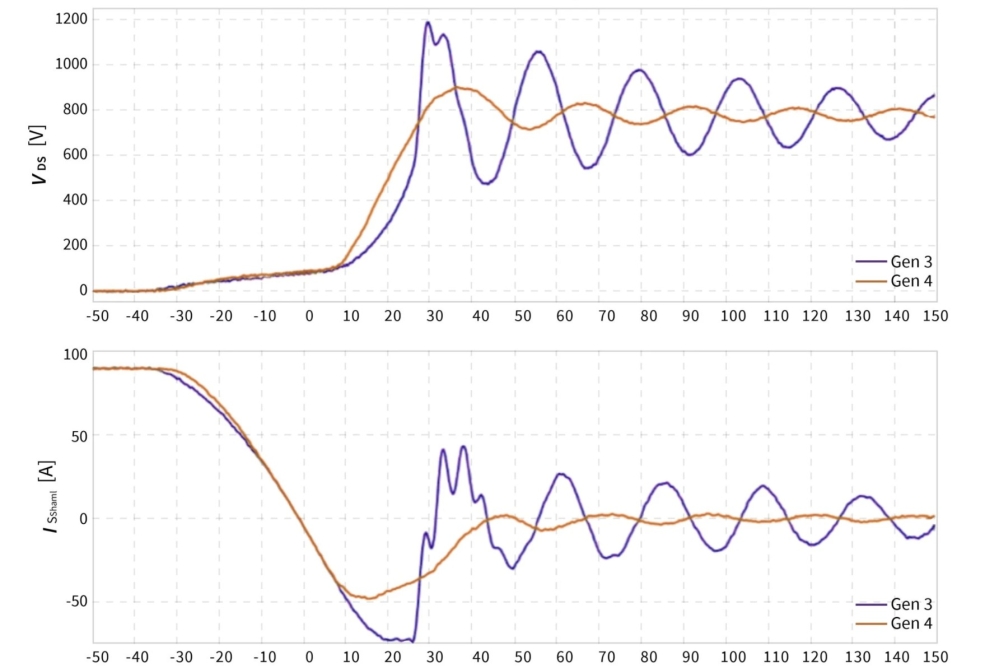
Wolfspeed launches Gen 4 SiC MOSFET technology
Report predicts high growth for UK's North East
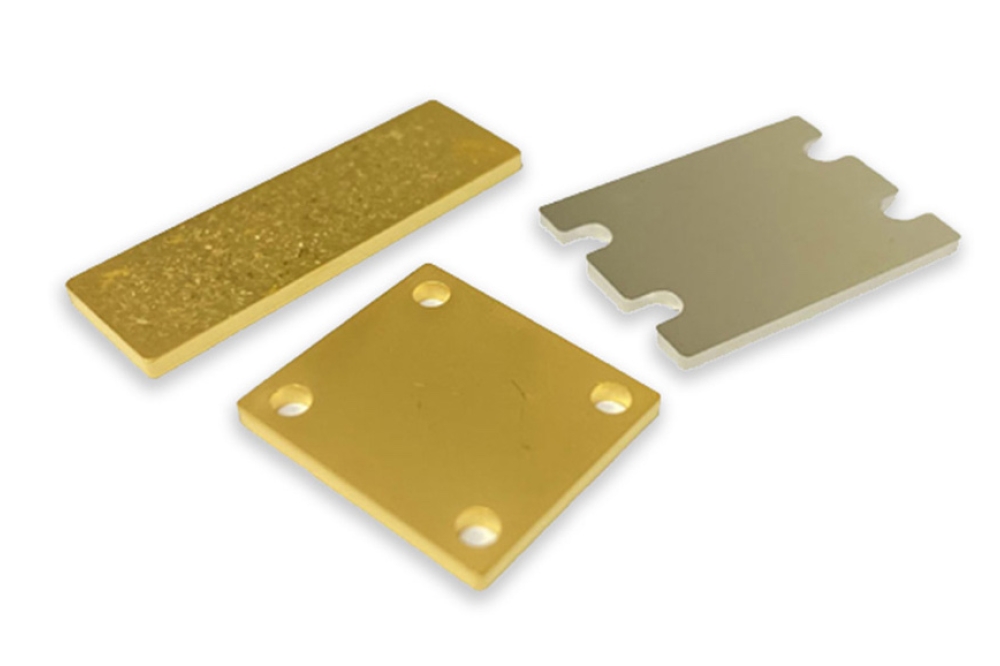
Element Six unveils Cu-diamond composite
×
Search the news archive

To close this popup you can press escape or click the close icon.
Logo
x
Logo
×
Register - Step 1

You may choose to subscribe to the Compound Semiconductor Magazine, the Compound Semiconductor Newsletter, or both. You may also request additional information if required, before submitting your application.


Please subscribe me to:


You chose the industry type of "Other"

Please enter the industry that you work in: