
Dow study reveals ageing issues with LED optics
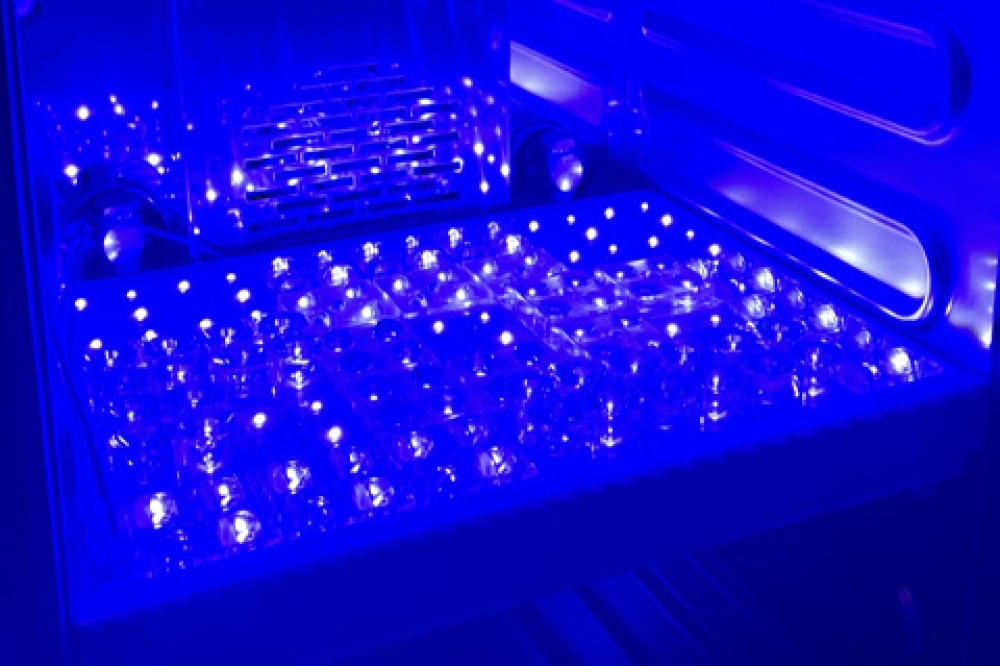
Materials company Dow has announced the results of research that evaluated the ageing performance of commercially available lens clusters in LED lighting.
The study by Dow scientists Martijn Beukema and Kevin Van Tiggelen, examined blue light photothermal ageing of both silicone and thermoplastic optics made of polycarbonate (PC), polymethyl methacrylate (PMMA) and high-temperature resistant PMMA (HT-PMMA). Lens clusters were subject to photothermal stress similar to the operating conditions of optics in luminaires for high-power LED lighting.
The principal finding is that most of the tested thermoplastic lens clusters discolour over time and ultimately fail catastrophically. Gradual degradation by discolouration is known to reduce light output, but the study shows that catastrophic failure may be difficult to predict and requires long test times.
Dow’s new study arrives at a time when the lighting industry is growing rapidly, fuelled by increased adoption of energy-efficient LED modules. The longevity and light output efficiency of these LED modules is critical, but thermoplastic optics may present limitations in terms of performance and reliability depending on their specific configurations.
“Our study was conducted to bridge the knowledge gap on blue light photothermal ageing of lens clusters commonly used by luminaire makers for applications such as street and sports lighting,” said Martijn Beukema, technical service & development scientist and application technology leader for lighting at Dow.
He added: “Luminaire manufacturers are encouraged to take this data into account when choosing optical materials during the design process, and to recognise silicone optics as a reliable alternative that can enhance product longevity and minimise the risk of major failures.”