£10.4m UK project will grow next-gen materials

A major new UK research programme aims to strengthen the UK's capability in semiconductor materials, underpinning the future of electronics.
The EXPRESS programme, a five-year, £10.4 million EPSRC-funded project led by the University of Warwick and University of Southampton, will support the development of next-generation transistor and optoelectronic devices.
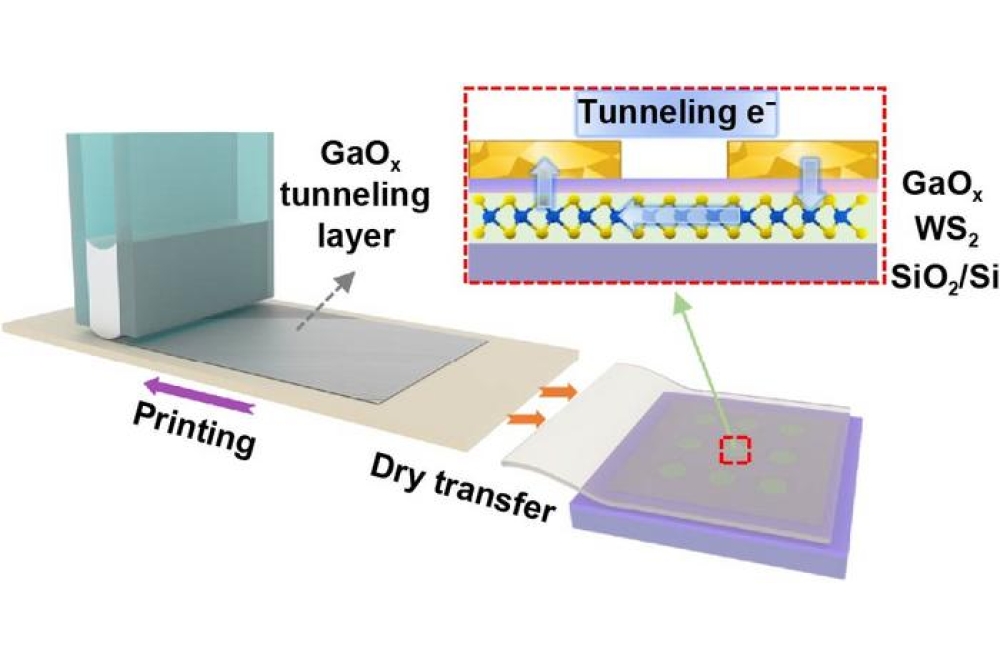
The programme will explore new electrochemical approaches combined with novel precursor chemistry to grow transition metal dichalcogenides (TMDCs) - advanced layered semiconductors with potential applications in ultra-low-power electronics, neuromorphic computing, photonic circuits, and quantum technologies.
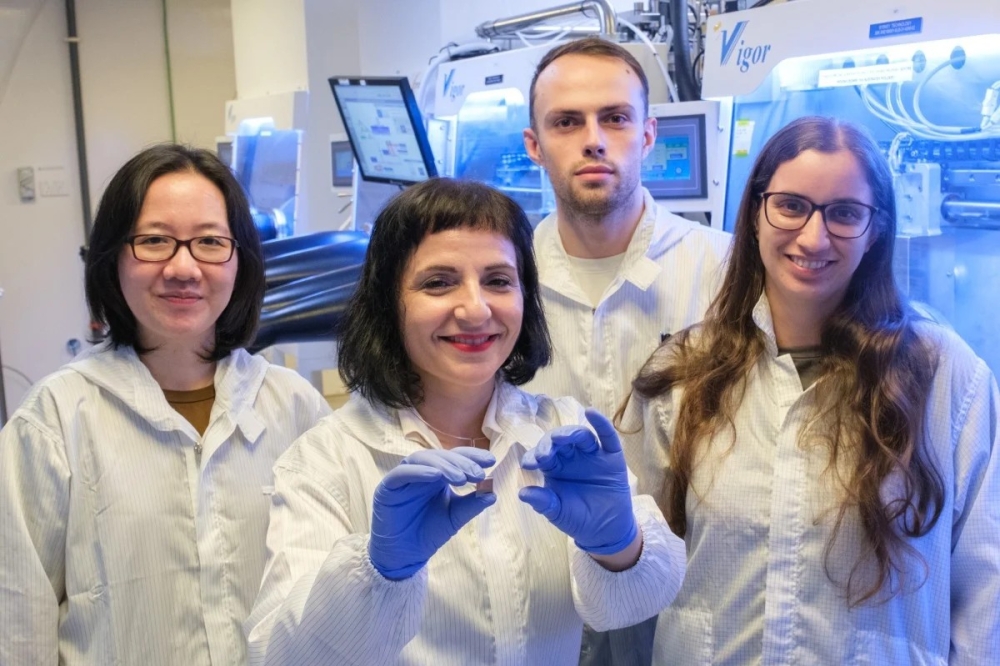
Warwick lead, Julie Macpherson of the Department of Chemistry said: “TMDCs have enormous potential for future transistor and optoelectronic devices but producing them reliably, at scale, and with high levels of crystallinity, remains a major challenge.
“This programme brings together expertise across chemistry, physics, and electronics to explore new ways of controlling how these materials form, which will help unlock their use in next-generation devices.”
The team will investigate a novel approach based on electrodeposition methodology, guided by specially designed molecules that help control how the materials assemble and grow. This approach will allow TMDCs to be grown directly within three-dimensional electronic structures, avoiding complex transfer steps and enabling more reliable testing of their properties.
Southampton lead, Gill Reid said: "Layered 2D semiconductors offer great potential for creating the faster, more energy-efficient devices that the world needs. We are exploring a new electrodeposition-based method to precisely control the growth of these layered materials, making semiconductor chips easier to produce.
"It’s a simple idea that we hope will turn a massive challenge into a major opportunity for future tech. The breadth of expertise across the EXPRESS team is what makes this programme possible - and incredibly exciting.”
Alongside advancing semiconductor technologies, the programme will support and train early-career researchers, helping to build UK capability in advanced materials and electronics.